
Epoxy Flooring vs. Polished Concrete: Which Is Better for Your Garage?
Upgrading your garage floor is an excellent way to improve durability, safety, and appearance. Two popular choices often come up: epoxy flooring vs polished concrete. Both have distinct advantages and considerations, but which one is truly better for your garage?
When considering an upgrade to your garage floor, it’s vital to understand the unique properties and applications of both epoxy flooring and polished concrete. Each option has its own set of benefits that suit different needs and preferences. This decision can significantly impact the functionality and aesthetics of your garage space.
This article compares epoxy flooring and polished concrete to help you make an informed decision for your garage floor upgrade.
What Is Epoxy Flooring?
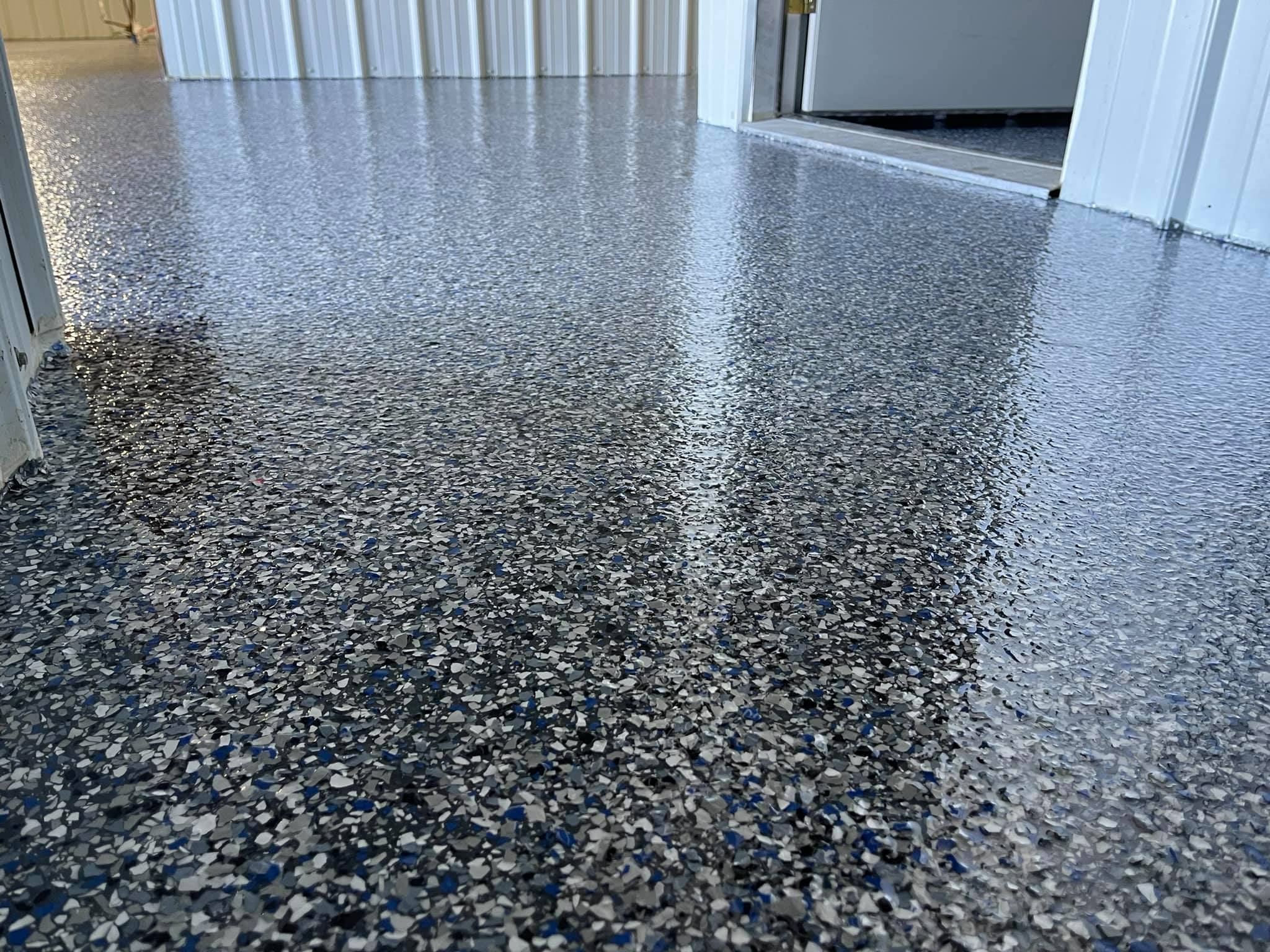
Epoxy flooring is a resin-based coating applied over concrete surfaces. It forms a thick, protective layer that is durable, chemical-resistant, and customizable in color and finish.
One of the main benefits of epoxy flooring is its ability to create a seamless surface. This not only enhances the appearance but also prevents dirt and grime from accumulating in joints or cracks, making it an ideal choice for high-traffic areas like garages. Additionally, epoxy floors can be designed with anti-slip additives, increasing safety in environments where spills might occur.
What Is Polished Concrete?
Polished concrete involves mechanically grinding and polishing the existing concrete slab to a smooth, shiny finish. It enhances the concrete’s appearance and durability without adding a coating.
While polished concrete does not include the additional coatings that epoxy offers, it provides a natural look that many homeowners appreciate. The glossy finish can reflect light, helping to brighten up the garage. Furthermore, polished concrete is often seen as a more sustainable option since it utilizes the existing concrete slab rather than adding materials on top.
Durability Comparison
Epoxy flooring creates a hard, protective surface that resists impact, chemicals, abrasion, and stains, making it highly durable for garages.
It’s important to note that while epoxy flooring excels in terms of surface protection, it can also be sensitive to heat. Placing hot tires from your vehicle onto an uncooled epoxy surface can potentially damage it. In contrast, polished concrete is typically more resistant to heat damage, making it a better choice for those who frequently park their vehicles in the garage.
Polished concrete strengthens the concrete slab itself, but it remains porous and can be susceptible to cracking or staining without additional sealants.
Moreover, polished concrete can be treated with densifiers, which enhance its durability and resistance to stains. These densifiers penetrate the surface, making the concrete less porous and thereby improving its overall longevity. However, this process does require proper application to ensure effectiveness.
Maintenance and Cleaning
Epoxy floors are non-porous, making cleaning spills and dirt easy — a simple mop or broom does the job. Polished concrete is smooth but porous, which means it may require resealing and more frequent cleaning.
In terms of maintenance, while epoxy is generally easier to clean, it can also require occasional touch-ups or repairs, especially if it is subjected to heavy wear. Polished concrete, on the other hand, may necessitate periodic re-sealing to maintain its protective qualities, particularly in environments prone to spills or stains.
Appearance and Customization
Epoxy flooring comes in various colors, patterns, and finishes, including high gloss and metallic effects, allowing you to customize your garage floor.
When customizing epoxy flooring, homeowners can opt for decorative flakes or metallic options that can enhance the visual appeal of the garage. This customization can lead to a unique look that reflects personal style, whereas polished concrete generally relies on the natural beauty of the concrete itself, providing limited options for major design alterations.
Polished concrete offers a natural look with a glossy finish but limited color options.
Cost Considerations
Polished concrete generally costs less upfront, as it involves enhancing the existing slab.
Epoxy flooring installation costs vary but can be higher due to material and labor for surface prep and coating.
It’s also worth considering the long-term costs associated with both flooring types. While polished concrete may have a lower initial investment, the need for maintenance and resealing can add up over time. Conversely, epoxy flooring might require a higher upfront cost, but its durability can result in less frequent repairs or replacements needed in the future.
Installation Time
Polished concrete is quicker to install since it mainly involves grinding and polishing.
In the context of installation time, while polished concrete may be quicker, it’s essential to factor in the time needed for proper curing and sealing. Epoxy flooring may take longer initially, but the quick-drying options available today can reduce wait times significantly, allowing for faster usage of the garage space.
Epoxy flooring requires surface preparation, application, and curing, which can take several days.
Longevity
Both options are long-lasting, but epoxy flooring’s protective layer can extend floor life by resisting damage and stains.
Which Is Better for Your Garage?
If you want maximum durability, customization, and easy maintenance, epoxy flooring is the better choice for your garage.
Ultimately, the choice between epoxy flooring vs polished concrete should align with your garage’s specific use case. For those who prioritize aesthetics and functionality in a high-traffic area, epoxy flooring offers extensive benefits. On the other hand, if you value a simple, elegant look with easy upkeep, polished concrete may suit your needs better.
If you prefer a natural look with lower upfront cost and quicker installation, polished concrete is a solid alternative.
Looking to level up your curb appeal along with your floors? Check out Williams Garage Doors for professional garage door services that match your upgraded floors. Enhance the efficiency and aesthetics of your garage with quality door options that complement your flooring choice!
Final Thoughts on Epoxy Flooring vs Polished Concrete
Choosing between epoxy flooring vs polished concrete depends on your priorities, budget, and garage use. Both options offer significant benefits, but epoxy flooring stands out for heavy-duty garage environments needing high protection.
As you consider your options, think about the climate and conditions in your area. For instance, if you live in a region with fluctuating temperatures, epoxy flooring might provide better insulation against extreme conditions. In contrast, polished concrete may be less affected by temperature changes, making it a versatile choice year-round.
Ready to Upgrade Your Garage Floor? Contact Us Today
Ready to upgrade your garage floor? Contact us today to explore how we can assist with your epoxy flooring or polished concrete needs. A professional consultation can provide insights into the best materials and designs for your specific garage requirements.
Diamond Coating Solution provides expert epoxy flooring services tailored to your needs. We offer 24/7 support and professional installation to transform your garage floors.
👉 Get started here: https://diamondcoatingsolution.com/contact
Regardless of which option you choose, ensuring proper installation by professionals can significantly impact the longevity and performance of your new garage floor. Consulting with experts can help you navigate the specifics of each flooring type, ensuring you make the best decision for your space.